Fresher Resume Guide: Get Your First Job With No Experience (2026)
By ATS First Team · May 12, 2026 · 8 min read
Every job seems to require experience, but how do you get experience without a job? This catch-22 is the fresher's dilemma — and it's the reason so many talented graduates get filtered out by ATS before their potential is ever seen. The truth is, a fresher with no work experience can build a compelling, ATS-optimized resume. You just need to know what to put there and how to present it.
The Fresher Resume Challenge
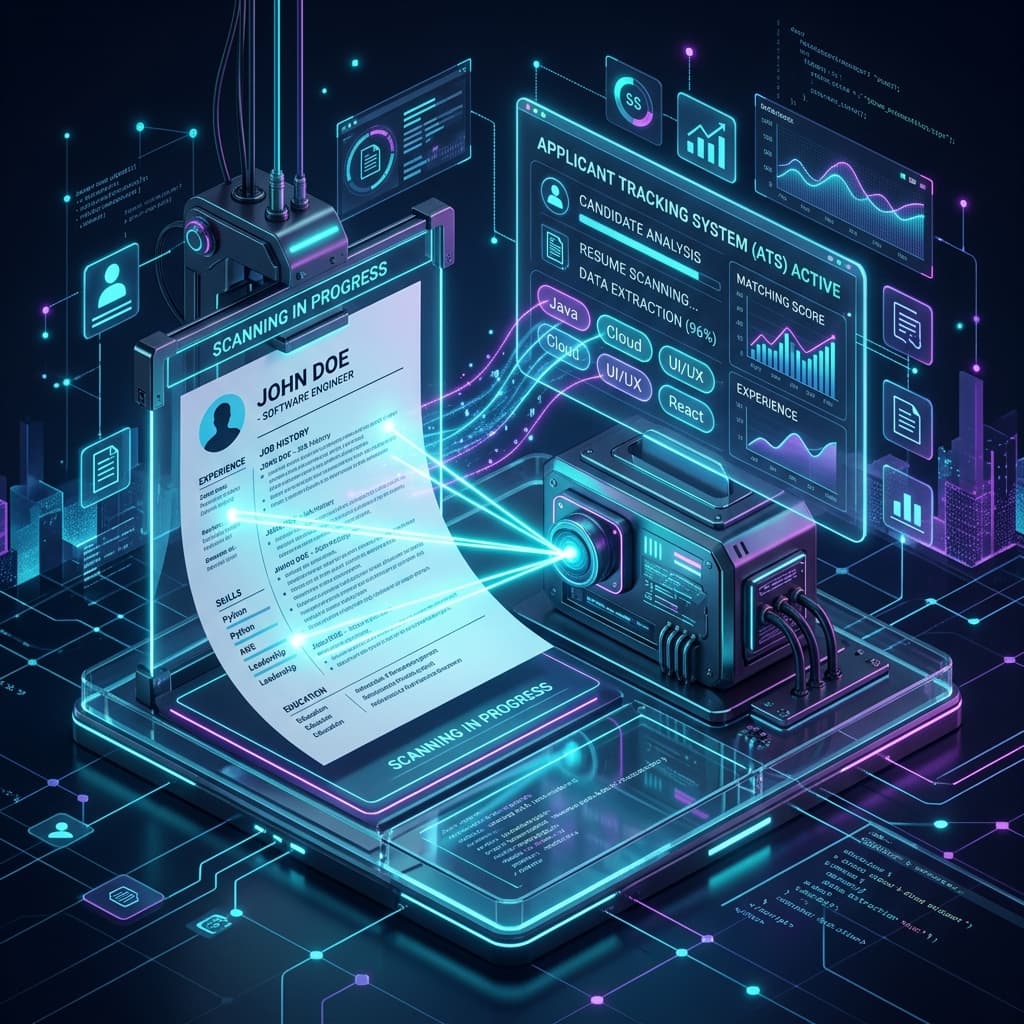
Applicant Tracking Systems are trained to look for work experience, job titles, and tenure. A resume with no work history looks thin by default — but only if you fill the space with the wrong things. The secret is to treat every relevant academic and extracurricular activity the way a seasoned professional treats their job history: with specific achievements, measurable outcomes, and industry-relevant keywords.
What to Put Instead of Work Experience
If you have zero professional work history, here are the categories of content that belong on your resume — ranked by ATS impact:
1. Internships (Even Short Ones)
A 4-week internship is still work experience. Format it exactly as you would a job — company name, role title, dates, and 3–4 bullet points describing what you did and what you achieved. If you can quantify anything ('reduced customer response time by 15%', 'managed social content reaching 8,000 followers'), do it.
2. Academic Projects
Your final year project, capstone project, or any significant coursework project belongs on your resume with a 'Projects' section. Include the project name, the technology stack you used, what problem it solved, and any measurable outcome (accuracy percentage, users, performance improvement). GitHub links are a bonus.
3. Hackathons and Competitions
Participated in a hackathon? Even if you did not win, it shows initiative and real-world problem-solving. If you placed or won, make sure to call that out prominently. Format it under a 'Projects' or 'Achievements' section.
4. Freelance and Volunteer Work
Built a website for a local business? Managed social media for a student club? Tutored classmates in programming? These count as work — format them as you would a job entry with a client/organization name, your role, and what you delivered.
5. Extracurriculars and Leadership
College positions — club president, event organizer, sports captain, newsletter editor — demonstrate soft skills that employers value: leadership, communication, teamwork, and responsibility. Include these under 'Extracurricular Activities' or 'Leadership Experience'.
6. Relevant Coursework
If you are applying for a technical role and took specific courses relevant to the job (Data Structures, Machine Learning, Digital Marketing, Financial Accounting), list them under your education entry. This helps the ATS match your profile to the job even without direct experience.
Fresher Resume Structure: Education Goes First
Experienced professionals put work history first. Freshers flip this — your education is your strongest credential and must appear at the top. Here is the recommended fresher resume order:
- Contact Information (name, email, phone, LinkedIn, GitHub if relevant)
- Professional Summary / Career Objective
- Education (degree, college name, CGPA or percentage, graduation year)
- Projects (2–4 key academic or personal projects)
- Internships / Work Experience (if any)
- Skills (technical and soft skills)
- Certifications (online courses, workshops, industry certifications)
- Extracurricular Activities / Achievements (optional but valuable)
How to Write a Powerful Fresher Summary
Your summary — sometimes called a career objective for freshers — is 2–3 sentences that tell the recruiter who you are, what you studied, what you have built or done, and what kind of role you are seeking.
Example: 'Computer Science graduate from Delhi University with hands-on experience in full-stack development through a 3-month internship at a fintech startup and two published open-source projects. Proficient in React, Node.js, and MySQL. Eager to contribute to a product-focused engineering team where I can grow as a developer while delivering real user impact.'
Skills Section: Technical and Soft Skills
Your skills section is critical for ATS matching — this is where the parser finds the keywords that map to the job requirements. For freshers, split this into two parts:
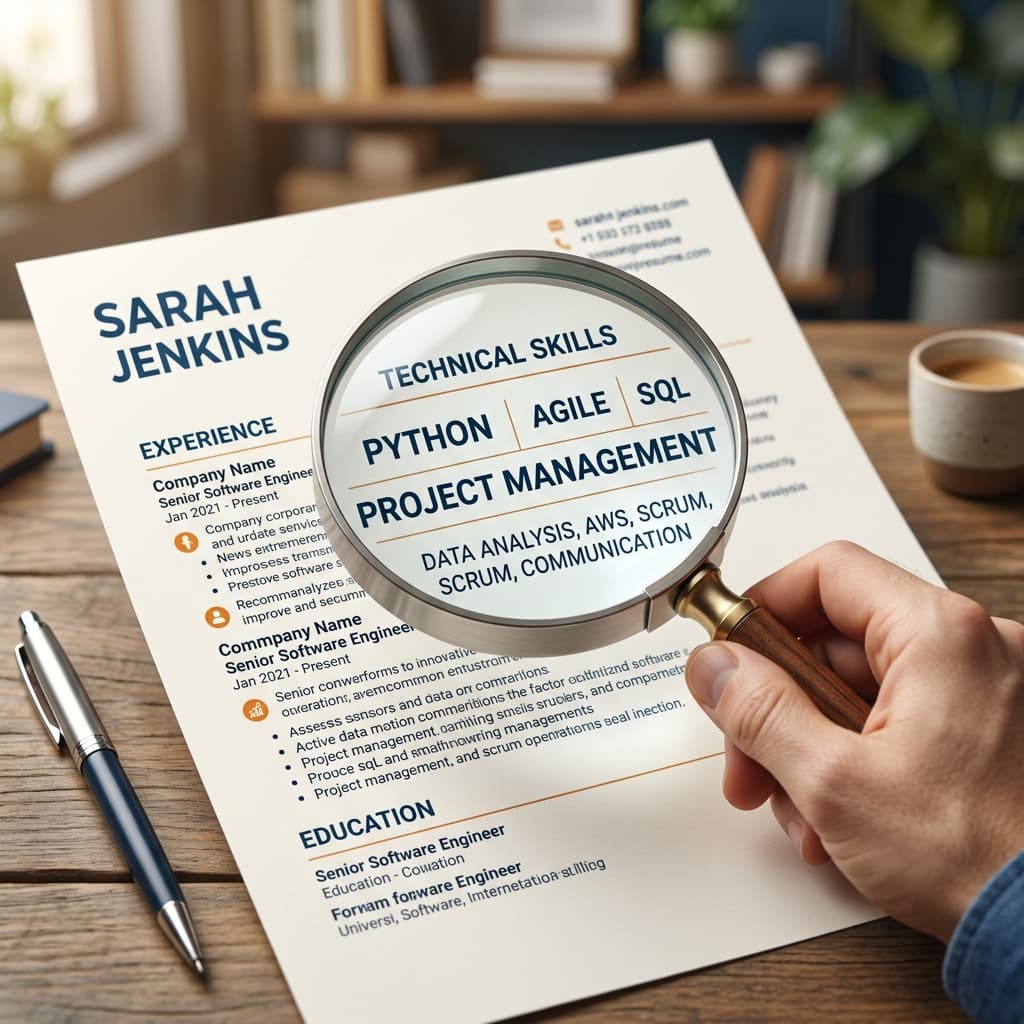
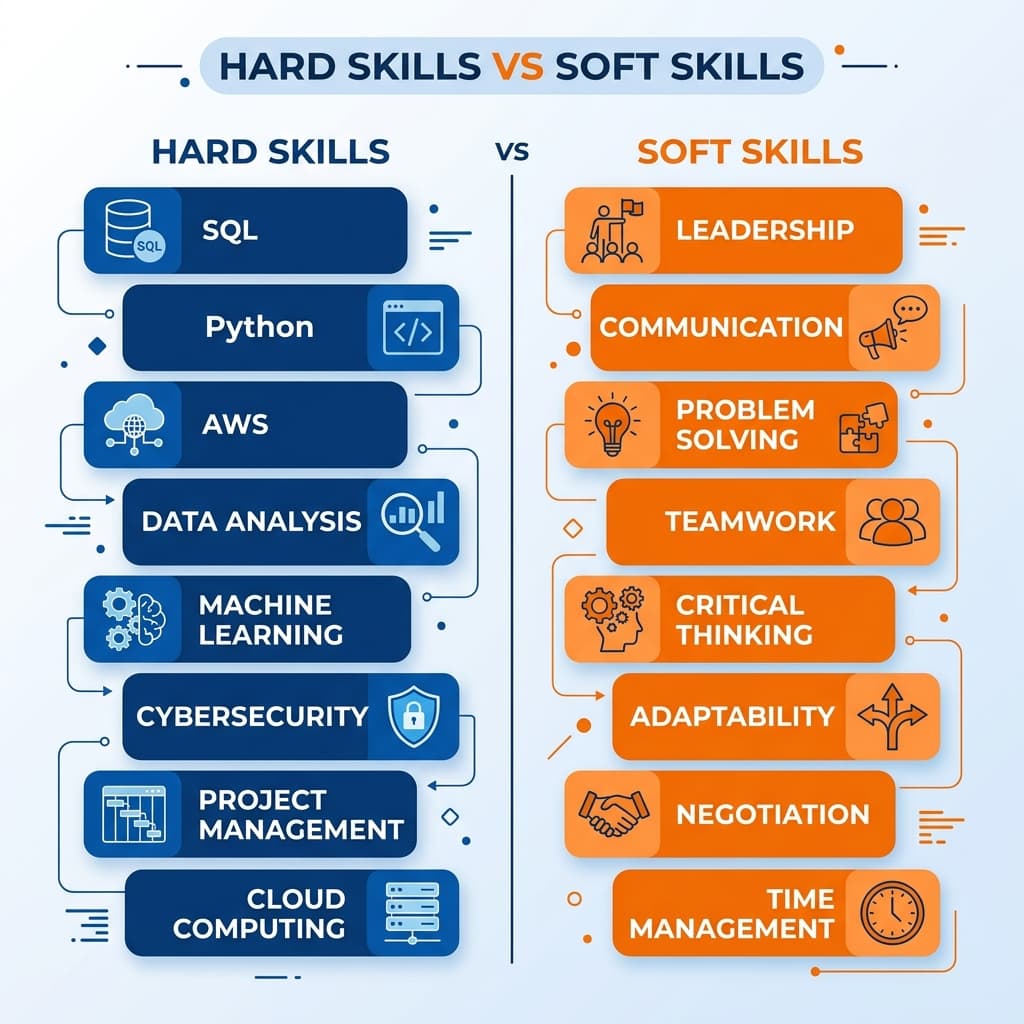
- Technical Skills: programming languages, tools, frameworks, software, platforms — list everything relevant that you actually know (Python, Java, SQL, Figma, Excel, AutoCAD, etc.)
- Soft Skills: communication, teamwork, problem-solving, time management — these matter less for ATS but more for human reviewers; keep this list short and credible
Do not lie about skills. Interviewers will test you. But do not undersell yourself — if you learned something in a class, you know it. List it.
Projects Section: The Fresher's Secret Weapon
The projects section is where freshers can truly differentiate themselves. A well-documented project proves you can apply your skills to real problems — which is exactly what employers want to see.
Format each project with: Project Name | Technology Stack Used | One-sentence description of what it does | Key achievement or metric | GitHub/live link if available.
- E-Commerce Recommendation System | Python, Scikit-learn, Flask | Built a collaborative filtering model that improved product recommendations by 23% CTR | github.com/yourname/project
- College Event Management App | React, Firebase, Node.js | Full-stack app used by 500+ students to register for events, reducing manual registration effort by 80%
ATS Tips Specific to Fresher Resumes
Freshers often make ATS mistakes that experienced candidates know to avoid. Here is what to watch for:
- Mirror the exact keywords from the job description — if it says 'Python', say 'Python', not 'Python programming language'
- Use the same skill names the industry uses — 'React.js' not 'ReactJS', 'Machine Learning' not 'ML' (unless the job posting says ML)
- Do not list your CGPA only in your education — also mention any academic honors or relevant high-scoring coursework
- Create a LinkedIn profile and include the URL in your contact section — many ATS systems pull supplemental data from LinkedIn
- Name your file 'YourName-Resume.pdf' or 'YourName-Resume.docx' — not 'Resume_v3_Final_FINAL.docx'
Common Fresher Resume Mistakes
- Including a photo — unnecessary in most countries and wastes space
- Listing your high school marks — irrelevant once you have a college degree
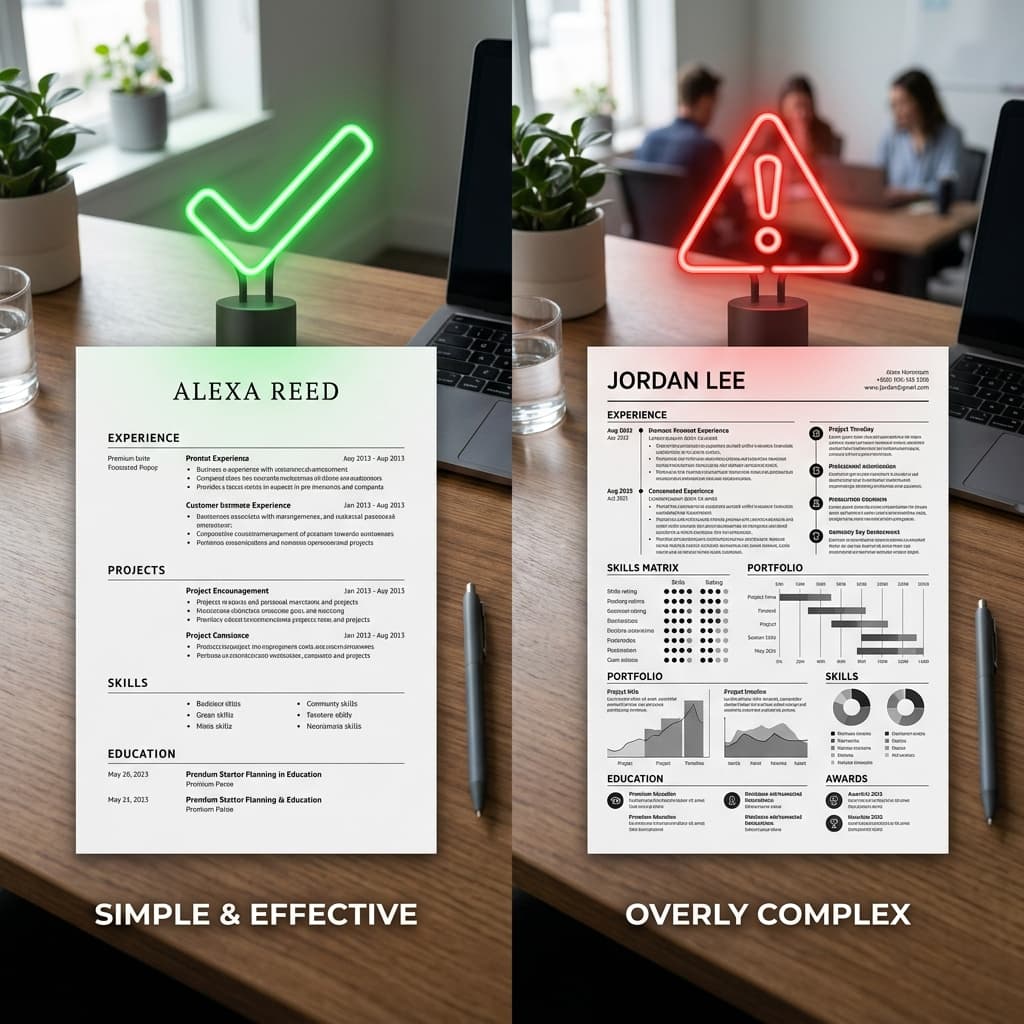
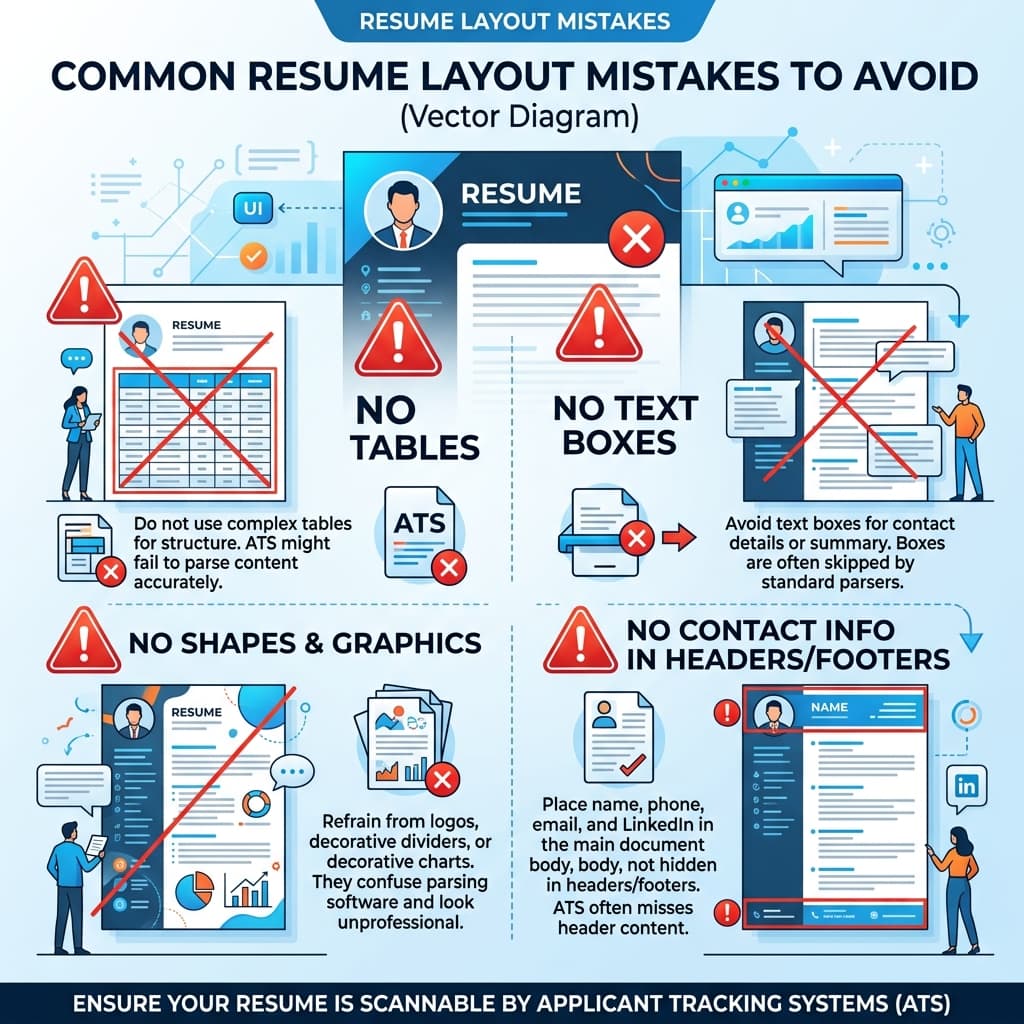
- Using a creative template with columns and graphics — these destroy ATS parsing
- Padding the resume with irrelevant hobbies ('reading', 'listening to music') — remove these
- Using a personal email like coolboy99@gmail.com — create a professional email
- Writing a resume longer than one page — freshers must stay to one page
- Listing skills you do not actually have — you will be tested in interviews
The One-Page Rule for Freshers
Freshers must stay to one page. You simply do not have enough content to justify two pages, and a sparse second page signals poor judgment to human reviewers. Use the space wisely: prioritize your best projects, most relevant skills, and highest-impact internship (if any). If content is spilling to a second page, reduce font size slightly (10pt minimum), tighten margins, and cut any content that is not directly relevant to the role.
Check Your Fresher Resume With ATS First
Before you submit anywhere, score your resume against the specific job description with ATS First's free ATS checker. You will see your keyword match percentage, any formatting issues that could hurt your score, and specific suggestions for improvement. It takes 2 minutes and can be the difference between getting screened in or screened out.
Check your resume's ATS score — free
Upload your resume + paste any job description. Get your score in 60 seconds.
Analyze My Resume →